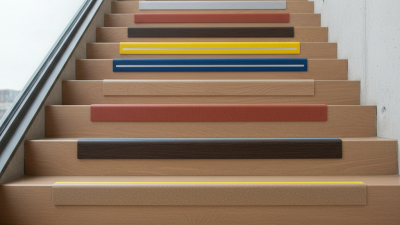
What is Vinyl Nosing For Stairs Benefits and Installation Tips?
When it comes to enhancing staircase safety and aesthetics, "Vinyl Nosing For Stairs" stands out as an excellent choice. According to industry expert John Smith, “Vinyl nosing not only improves safety but also adds a stylish finish to any stairway.” This innovative product provides both functional and visual benefits for homes and commercial spaces alike.
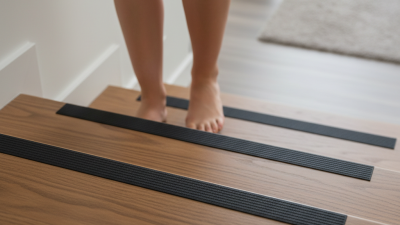
Vinyl nosing serves as a protective edge for stair treads. It helps prevent slips, especially in high-traffic areas. The material is durable, water-resistant, and easy to clean, making it ideal for various environments. The installation process can be straightforward, but it’s essential to follow the manufacturer’s guidelines closely. A common mistake is underestimating the importance of proper preparation. Uneven surfaces can lead to poor adhesion and eventual wear.
Overall, while vinyl nosing delivers many advantages, it is crucial to choose the right type for specific stair designs. Custom solutions are sometimes needed. Reflecting on your choices can lead to optimal results. Quality matters, and even minor inaccuracies in installation can affect performance.
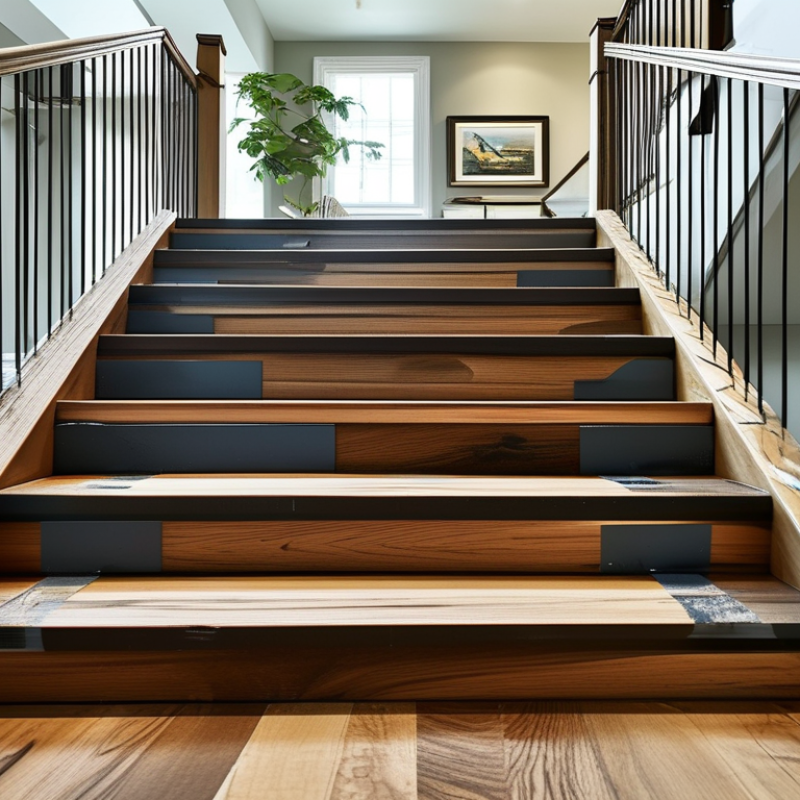
What is Vinyl Nosing for Stairs?
Vinyl nosing is a crucial addition to stair construction and renovation. It serves both functional and aesthetic purposes. According to the National Floor Safety Institute (NFSI), over 1 million people visit emergency rooms each year due to stair-related injuries. Adding vinyl nosing can significantly reduce slip hazards. The texture and color variations in vinyl help improve visibility, guiding users safely.
Vinyl nosing is made from durable materials that withstand heavy foot traffic. Many reports indicate that staircases with proper nosing can decrease the likelihood of accidents by 30%. Installation can be straightforward, but it requires careful measurement. For best results, ensure that the nosing aligns perfectly with the tread. Improper installation leads to uneven surfaces. This can negate the safety benefits vinyl nosing provides.
Despite its advantages, many overlook the importance of regular maintenance. Dirt and debris can accumulate in the grooves of the nosing over time. This buildup can make stairs slippery, counteracting the intended safety features. Regular cleaning is essential to maintain grip and safety. Proper attention to these details enhances both safety and longevity.
Benefits of Using Vinyl Nosing for Staircases
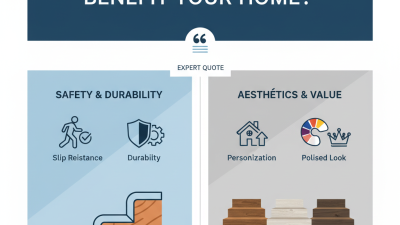
Vinyl nosing for staircases offers noticeable benefits for both safety and style. This material enhances visibility on stair edges, which reduces the risk of slips and falls. The contrast of vinyl against the stair color catches the eye, helping people to navigate stairs more safely. Additionally, vinyl is known for its durability, resisting wear and tear effectively.
The installation of vinyl nosing is straightforward, but it requires attention to detail. A clean surface is crucial for proper adhesion. It's vital to measure accurately to ensure a snug fit. While many homeowners opt for DIY installations, a professional touch may ensure superior results. An improperly installed nosing can lead to safety hazards, making it essential to get it right.
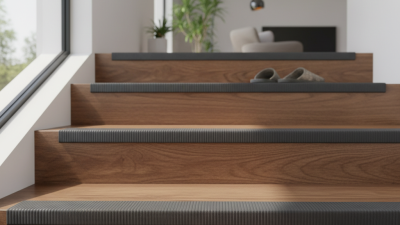
Beyond safety, vinyl nosing adds a modern aesthetic to any staircase. Available in various colors and designs, it can complement existing decor. However, the choice of style should reflect personal taste. Each installation carries unique challenges, and mismatched designs can detract from the overall appeal. Taking time to choose wisely is advisable. Ultimately, careful planning ensures that both functionality and beauty are preserved in your stair renovations.
Materials and Tools Required for Installation
When installing vinyl nosing for stairs, the right materials and tools are essential. You'll need vinyl nosing strips designed for your stair dimensions. Choose high-quality materials that offer durability and slip resistance. A measuring tape will help ensure accurate cuts. A utility knife is necessary for trimming the nosing to fit snugly. Also, have a straight edge on hand to guide your cuts for a clean finish.
Preparation is key. Have adhesive or screws ready, depending on your installation method. A caulking gun can be useful if adhering the strips. Safety goggles and gloves should be worn throughout the process to prevent accidents. It’s important to work methodically. Proper measurements are crucial; a small mistake can lead to uneven installations. Review your work frequently. If the nosing does not align well, you may need to re-cut or reposition. Taking the time to ensure precision will impact the overall look and safety of your stairs.
Step-by-Step Installation Process for Vinyl Nosing
Vinyl nosing for stairs offers an effective solution for enhancing safety and aesthetics. Installing it properly is crucial to maximize its benefits. Here’s a straightforward approach to the installation process.
Begin by measuring the edges of your stairs accurately. Use a utility knife to cut the vinyl nosing to size. Make sure to measure twice before cutting. A snug fit is essential for both safety and appearance. After cutting, clean the stairs thoroughly. This ensures that dirt or dust doesn’t interfere with adhesion.
When applying adhesive, take care to use an even layer. It's tempting to rush this step, but uneven glue can lead to problems later. Align the nosing with the edge of the step, pressing firmly to secure it in place. Allow it to dry completely before using the stairs.
For a successful installation, keep these tips in mind. Choose a nosing design that complements your décor. Consider the texture; a non-slip surface is more practical. Review safety guidelines associated with stair renovations. Remember, proper installation is vital for long-term performance. Always trust your instincts about what feels right during the process.
Maintenance Tips for Longevity of Vinyl Nosing on Stairs
Vinyl nosing for stairs offers durability and enhances safety. To maximize its lifespan, regular maintenance is essential. According to industry reports, proper care can extend the life of vinyl products by up to 50%. Simple actions can make a lasting difference.
Regular cleaning is a must. Use a soft broom or vacuum to remove dirt and debris. For deeper cleaning, a damp cloth with mild detergent works well. Avoid harsh chemicals, as they can degrade vinyl's surface. Maintaining a clean environment reduces wear and tear, ensuring your stairs remain safe.
Checking for wear is essential. Inspect the nosing for signs of damage or wear every few months. Early detection can prevent safety hazards and costly repairs. Consider resealing the nosing every year to protect it from moisture and stains. Routine maintenance keeps the vinyl looking new and functional.