Top 10 Factors Influencing Lvp Per Square Foot Prices?
The LVP per square foot is a vital metric in the flooring industry. As Luxury Vinyl Plank (LVP) continues to gain popularity, understanding its price dynamics becomes essential for homeowners and professionals alike. A recent report from the National Association of Realtors indicates that the average LVP costs range widely, influenced by various market factors.
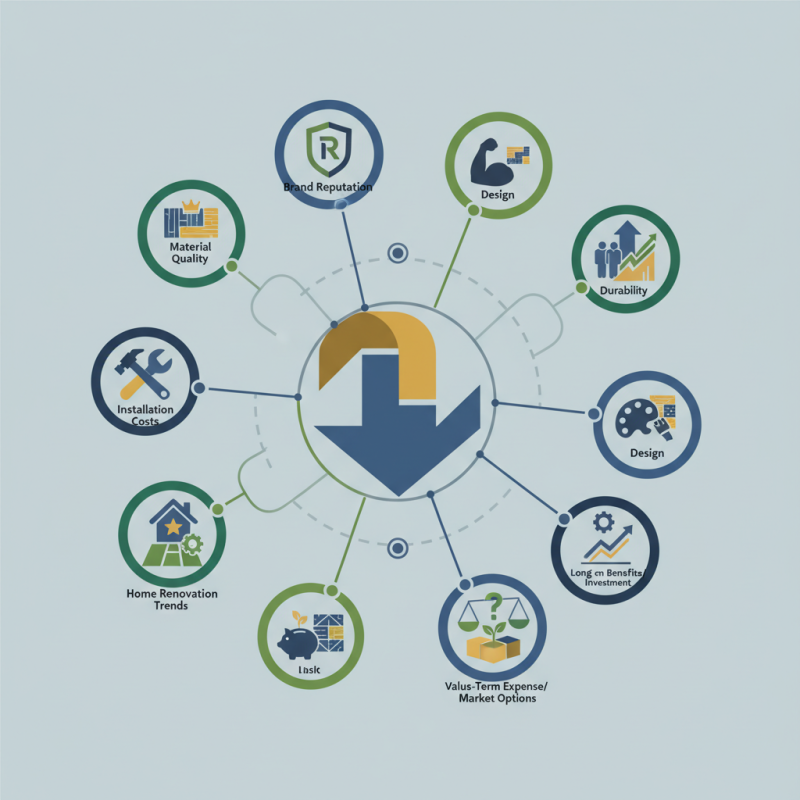
Several elements affect the LVP per square foot prices, including material quality, brand reputation, and installation costs. A study by Flooring Weekly highlights that premium brands can command higher prices. Geographic location also plays a crucial role, with urban areas often boasting more elevated pricing structures. Furthermore, trends in home renovation and housing demand directly tie into LVP pricing.
As consumers prioritize durability and design, the LVP market evolves, leading to fluctuations in prices. Advocates argue that investing in higher-quality LVP yields long-term benefits. However, with many options on the market, making the right choice can be challenging. The disparity in LVP per square foot prices invites scrutiny and reflection on value versus expense in flooring decisions.
Key Characteristics of LVP Flooring That Affect Pricing
Luxury Vinyl Plank (LVP) flooring is rising in popularity due to its affordability and aesthetic appeal. Several factors contribute to the price per square foot of LVP.
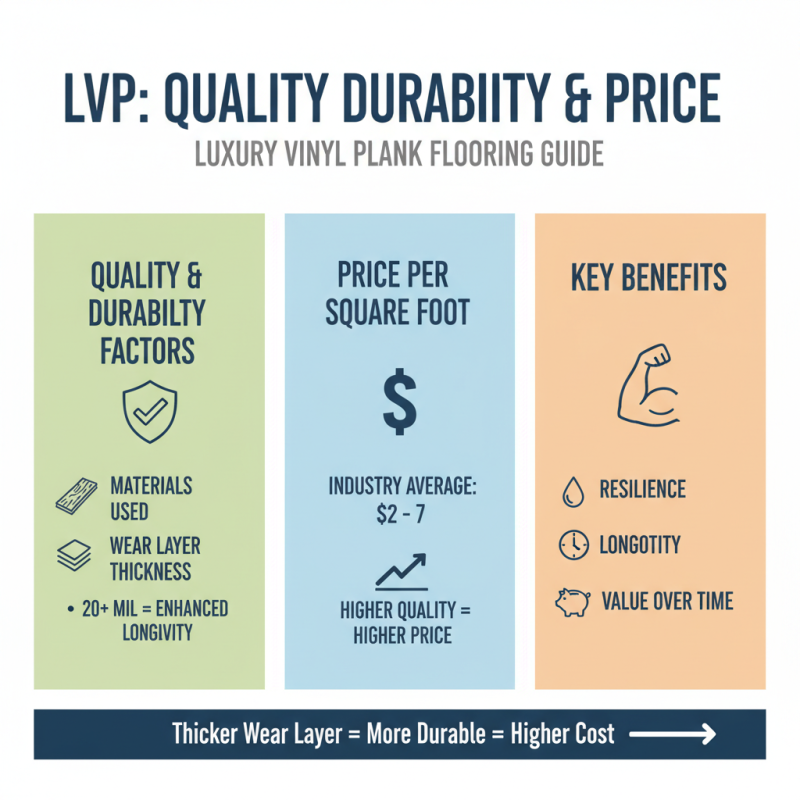
One key characteristic is the wear layer thickness. Thicker wear layers often mean higher durability and, consequently, a higher price. According to industry reports, wear layers of 20 mil can significantly improve longevity, justifying their elevated costs.
Another factor is design realism. High-quality LVP often mimics natural materials like hardwood or stone.
Advanced printing technology enhances visuals, creating a realistic look. This complexity can lead to higher manufacturing costs, affecting the end price. Industry analysis shows that consumers are willing to pay more for designs that look authentic, often increasing prices by 15% to 20%.
Additionally, the core construction influences both performance and price. Rigid core options offer stability and better sound insulation, which can elevate costs. Recent market research indicates that products with a composite core tend to be pricier due to their perceived value. However, while these features improve the flooring experience, not every consumer values them equally. This disparity reflects the need for careful consideration when choosing LVP, as not all high-priced options will be suitable for every application.
Regional Market Trends and Their Impact on LVP Costs
Regional market trends play a significant role in determining LVP per square foot prices. Local demand and supply dynamics influence how much consumers are willing to pay. For instance, in urban areas, higher density often drives prices up. More people want durable, attractive flooring. Consequently, this pushes manufacturers to increase prices.
Variations also stem from regional economic conditions. Areas with thriving economies tend to see a surge in construction. This often leads to increased competition among flooring options, causing fluctuating costs. On the other hand, regions experiencing economic downturns may face a drop in demand. Lower demand results in stagnant or even decreasing prices.
Geographical differences, too, add complexity. Coastal regions might have higher costs due to factors like transportation and specialty requirements. Additionally, preferences for style or materials vary widely across regions. Understanding how these factors interact helps navigate the ever-changing landscape of LVP pricing. These nuances reveal the importance of staying informed and adaptable.
Top 10 Factors Influencing LVP Per Square Foot Prices
| Factor |
Description |
Impact on Price ($) |
Regional Variability (%) |
| Material Quality |
Quality of raw materials influences durability and cost. |
$2.50 |
10% |
| Installation Costs |
Labor charges and complexity of installation. |
$1.80 |
15% |
| Design and Aesthetics |
Trendy styles and colors can elevate costs. |
$1.20 |
8% |
| Foot Traffic |
High traffic areas require more durable options. |
$1.50 |
12% |
| Regional Demand |
Demand varies greatly by region, affecting prices. |
$2.00 |
20% |
| Supply Chain Issues |
Global supply chain disruptions can raise costs. |
$3.00 |
25% |
| Environmental Regulations |
Compliance with environmental standards can add costs. |
$1.70 |
10% |
| Seasonality |
Certain seasons may see price fluctuations. |
$1.00 |
5% |
| Economic Factors |
Inflation and economic health influence pricing. |
$2.20 |
18% |
| Market Competition |
Competitive pricing strategies can lower costs. |
$1.50 |
12% |
Quality and Durability Ratings of LVP and Price Correlation
When assessing luxury vinyl planks (LVP), quality and durability ratings play a crucial role in determining prices per square foot. Industry reports indicate that high-quality LVP can range from $2 to $7 per square foot. This pricing is often tied to the materials used and their resilience. Durable products typically feature thicker wear layers, often exceeding 20 mil, significantly impacting longevity and cost.
Research suggests that LVP with higher durability ratings offers better value. According to the National Floor Covering Association, flooring with top durability ratings reduces long-term replacement costs. While a lower initial price may appeal, these products often require early replacement. Opting for higher-rated LVP can lead to savings over time, especially in high-traffic areas.
However, not all ratings are straightforward. Some quality indicators can be misleading. A product may have a high rating but still lack performance in specific environments. It’s essential to assess reviews and seek expert assessments for a comprehensive understanding. Balancing quality and affordability while reflecting on potential pitfalls shapes informed purchasing decisions in the LVP market.
Installation Costs and Their Influence on LVP Per Square Foot Pricing
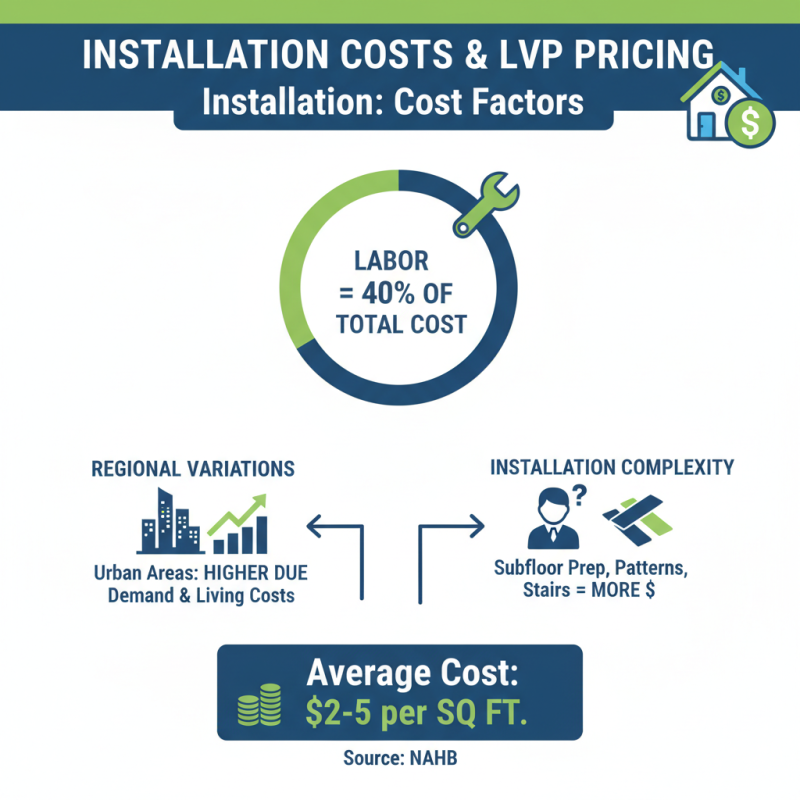
Installation costs significantly impact the pricing of Luxury Vinyl Plank (LVP) flooring. According to the National Association of Home Builders, labor accounts for nearly 40% of total installation expenses. This figure can vary depending on the region and the complexity of the installation. In urban areas, labor can be significantly higher due to demand and cost of living. For instance, installing LVP might cost around $2 to $5 per square foot, which can quickly add up, especially for larger spaces.
Moreover, preparation work adds another layer of cost. If existing flooring needs to be removed or if the subfloor requires leveling, additional charges can arise. The difficulty of the job can shift the per square foot price, adjusting anywhere from $1 to $3 depending on these factors. Homeowners should also consider the potential for unexpected expenses during installation. These uncertainties can further influence the overall LVP price, making it crucial to budget wisely.
Choosing the right installation method is critical too. DIY installations may seem cost-effective, yet lack of expertise can lead to mistakes. Poorly laid flooring can result in premature wear or damage. Professional installation ensures quality, but it comes at a premium. The balance between cost and quality must be carefully evaluated to achieve desired outcomes without exceeding budget constraints.
Environmental Factors and Sustainability Considerations in Pricing LVP
When considering LVP (Luxury Vinyl Plank) prices per square foot,
environmental factors and sustainability are becoming increasingly important.
Many consumers today prioritize eco-friendly products. They seek materials that contribute to a healthier planet.
Sustainable sourcing and production practices can influence pricing significantly. For instance, LVP made from
recycled materials often commands a higher price. This reflects the additional
processing and resource management involved.
Sustainability goes beyond materials. Consider the product's lifecycle and its impact on the environment.
Some manufacturers focus on reducing waste during production. Others invest in energy-efficient technologies
to minimize emissions. However, discerning customers may struggle to find transparency regarding these practices.
Not all brands openly share their sustainability efforts, which can create confusion.
Awareness of certifications or eco-labels is crucial in navigating this landscape.
While many companies claim to be environmentally friendly, skepticism remains. It is vital to research brands and verify their claims.
Consumers should consider how the sourcing and production methods affect price and quality.
Balancing sustainability and budget can be challenging. Yet, informed choices can lead to products that align with personal values.