What is Homogeneous Vinyl Tile Benefits and Uses?
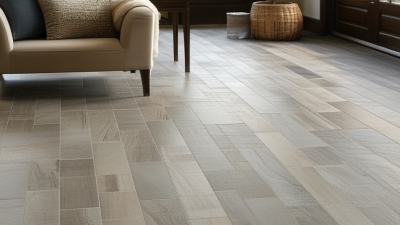
Homogeneous Vinyl Tile is a popular flooring option known for its durability and versatility. This type of tile is made from a single layer of vinyl. It offers a uniform design that is both attractive and easy to maintain. Many commercial spaces favor Homogeneous Vinyl Tile due to its resilience under heavy foot traffic. With a variety of colors and patterns, it adapts well to different interior designs.
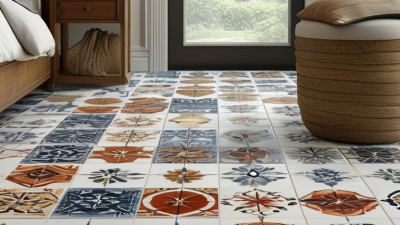
Choosing Homogeneous Vinyl Tile has several benefits. It is water-resistant and can withstand spills, making it ideal for kitchens and bathrooms. Additionally, its smooth surface makes cleaning simple and efficient. However, there can be challenges, such as installation costs and finding the right textures for the desired aesthetic. Careful consideration is needed to avoid mismatches.
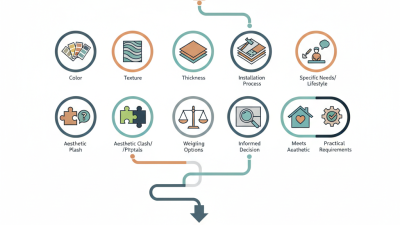
Ultimately, Homogeneous Vinyl Tile can enhance the beauty of any space while providing practical solutions. Though it has its limitations, its advantages make it a worthy option. Assessing your needs and environment is crucial. This ensures you select the best flooring solution for your project.
What is Homogeneous Vinyl Tile?
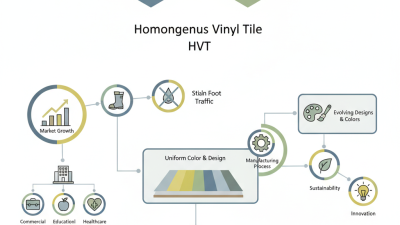
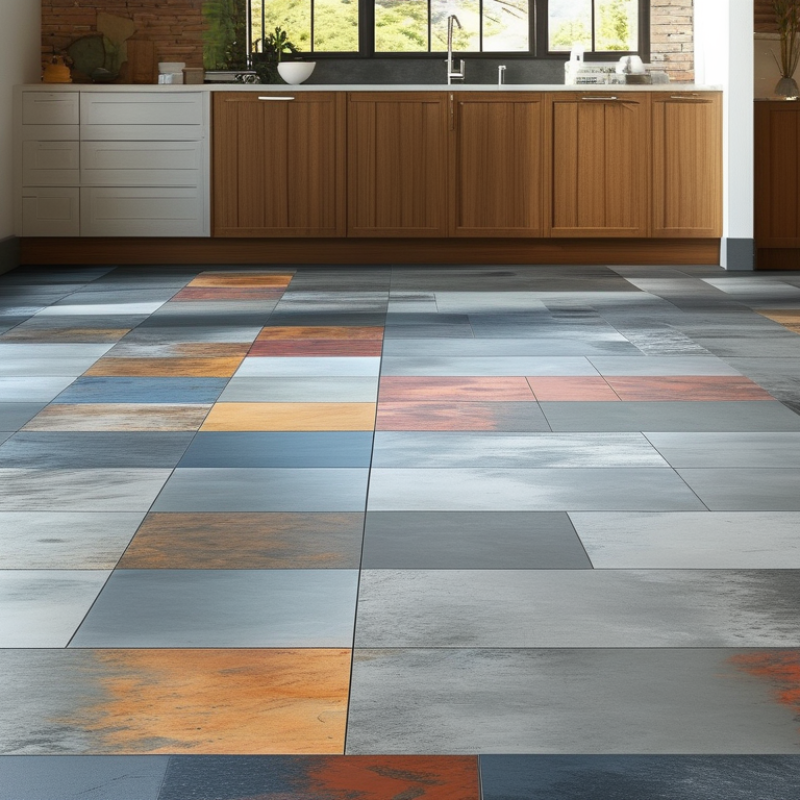
Homogeneous vinyl tile (HVT) is a popular flooring option due to its durability and versatility. This type of flooring consists of a solid layer of vinyl, resulting in a consistent color and pattern throughout the tile. Unlike other vinyl products, HVT does not have a design layer glued to the surface. Instead, the design is integrated throughout the tile, making it more resistant to wear and tear.
HVT is ideal for high-traffic areas, such as schools, hospitals, and retail spaces. Its resilience allows it to endure heavy foot traffic without showing signs of damage. Additionally, the seamless installation of homogeneous vinyl tiles minimizes the risk of dirt and bacteria accumulation. This makes it a hygienic choice for environments demanding strict cleanliness standards.
While HVT has numerous benefits, it's important to consider potential drawbacks. For instance, improper installation can lead to issues like bubbling or peeling. Furthermore, HVT may not offer the same aesthetic warmth as natural materials like wood or stone. Some users might feel it lacks character compared to more textured floors. Balancing these factors is crucial when choosing the right flooring for any space.
What is Homogeneous Vinyl Tile Benefits and Uses?
| Dimension |
Description |
| Material |
Made from PVC, providing strength and flexibility. |
| Durability |
Resistant to wear, stains, and impacts, suitable for high-traffic areas. |
| Installation |
Easy to install, can be glued down or loose-laid, reducing installation time. |
| Maintenance |
Requires minimal upkeep; regular cleaning with soap and water suffices. |
| Applications |
Ideal for commercial spaces, healthcare facilities, and educational institutions. |
| Aesthetics |
Available in various colors and patterns to enhance interior design. |
| Cost-Effectiveness |
Lower initial cost and longevity make it a cost-effective flooring solution. |
Key Characteristics of Homogeneous Vinyl Tile
Homogeneous vinyl tile (HVT) stands out for its durability and ease of maintenance. It consists of a single layer of vinyl in contrast to multilayer flooring. This unique composition offers consistent color and pattern throughout, reducing the appearance of wear. Reports indicate that HVT can last over 20 years in high-traffic areas when properly maintained. Its surface is resistant to stains and scratches, making it suitable for healthcare and educational institutions.
HVT is also noted for its sound-absorbing properties. Studies show that it can reduce footstep noise by up to 19 decibels, enhancing comfort in busy environments. Its slip-resistant texture further contributes to safety, important in spaces where falls are a concern. However, proper installation is crucial; inadequate techniques can lead to uneven surfaces and premature wear. The material's flexibility allows for creative designs, blending aesthetics with functionality.
Despite its advantages, HVT does pose challenges. Environmental concerns arise from vinyl production and disposal. Continuous improvements aim to address sustainability issues, but there’s still work ahead. Many facilities struggle with balancing cost and ecological impact when choosing flooring materials. Attention to detail in selection and upkeep can significantly influence the overall effectiveness of homogeneous vinyl tile in various settings.
Market Trends: Growth and Demand for Vinyl Flooring
The vinyl flooring market is witnessing significant growth, driven by its versatility and durability. According to a recent report by Grand View Research, the global vinyl flooring market is expected to reach USD 70 billion by 2025, with a compound annual growth rate (CAGR) of over 6%. This surge is fueled by an increasing demand in both residential and commercial settings. Consumers appreciate the aesthetic appeal and low maintenance associated with homogeneous vinyl tiles.
Tips: When selecting vinyl flooring, consider the installation method. Self-adhesive options are popular for DIY enthusiasts. Also, check for the wear layer thickness. A thicker layer often equates to better durability.
Additionally, sustainability trends are influencing market demands. Eco-friendly manufacturing processes are increasingly favored among consumers. Reports indicate that more than 50% of buyers prioritize sustainable materials when choosing flooring. This shift reflects a broader movement toward environmentally conscious purchasing decisions.
Tips: Keep an eye on certifications like FloorScore or GreenGuard. These ensure low emissions and safer indoor air quality. Always request samples to evaluate how the flooring fits your space before making a final choice.
While the outlook for vinyl flooring is bright, it's essential to remain aware of potential downsides. Some products may not be as eco-friendly as advertised. Always do thorough research to ensure your choice aligns with both aesthetic preferences and environmental values.
Benefits of Homogeneous Vinyl Tile in Commercial Spaces
Homogeneous vinyl tile (HVT) has become increasingly popular in commercial spaces. Its unique composition allows for a seamless and uniform surface. This feature minimizes the appearance of joints and provides a clean look. The durability of HVT makes it an excellent choice for high-traffic areas. It withstands heavy use without easily showing signs of wear.
One of the notable benefits of HVT is its ease of maintenance. Regular sweeping and occasional mopping are often sufficient to keep it looking new. In contrast, some flooring types require more intensive care. Additionally, HVT is resistant to stains and moisture. This is particularly advantageous in environments like restaurants and hospitals.
There are some considerations to keep in mind. While HVT offers many advantages, not every commercial space may benefit from it. Some may find it less aesthetic compared to wood or tile flooring. The installation process can also be tricky, requiring skilled professionals. Reflecting on these aspects can help businesses choose the best flooring solution that fits their unique needs.
Sustainability Aspects of Homogeneous Vinyl Tile Production
Homogeneous vinyl tile (HVT) is gaining attention for its sustainability in flooring solutions. Its production process often uses recycled materials, which reduces waste. According to the Vinyl Institute, about 25% of all vinyl flooring is produced using recycled content. This approach minimizes the environmental impact while still creating a durable product.
However, not all production practices are flawless. Some HVT manufacturing processes still contribute to carbon emissions. The industry faces ongoing challenges in improving energy efficiency. A report by the U.S. Green Building Council indicates that more than 30% of vinyl tiles have lower lifecycle impacts when produced with advanced techniques. This progress highlights the importance of continuous innovation.
Moreover, HVT is designed to last, potentially reducing the need for frequent replacements. Its longevity often offsets initial production footprints. Still, end-of-life options like recycling need further exploration. Despite advancements, a gap remains in effective recycling systems for HVT. Addressing these challenges can enhance the sustainability of homogeneous vinyl tiles.