How to Choose Vinyl Nosing for Stairs for Safety and Style?
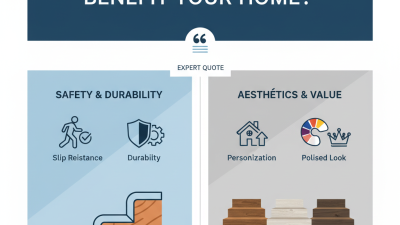
Choosing the right vinyl nosing for stairs is crucial for ensuring both safety and aesthetic appeal. Safety is a primary concern, especially in residential and commercial buildings. Reports indicate that nearly 60% of slip and fall accidents occur on stairs. Proper vinyl nosing can significantly reduce these risks. According to industry expert John Miller, "Vinyl nosing acts as a crucial line of defense, providing both traction and visual cues."
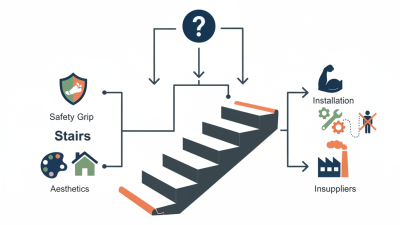
When selecting vinyl nosing for stairs, consider both functionality and style. The right choice enhances the visual appeal of your space while serving a practical purpose. The market offers a variety of options, each with unique textures and colors. Yet, not every product will meet safety standards. A poorly chosen vinyl nosing could negate its intended benefits.
It's essential to strike a balance between aesthetics and safety. While vibrant colors may catch the eye, they must also provide adequate grip. Investing in quality vinyl nosing is non-negotiable. A well-informed decision contributes to enhanced safety and can elevate the overall atmosphere of your environment.
Understanding the Importance of Vinyl Nosing for Stairs
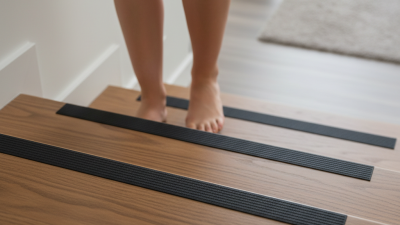
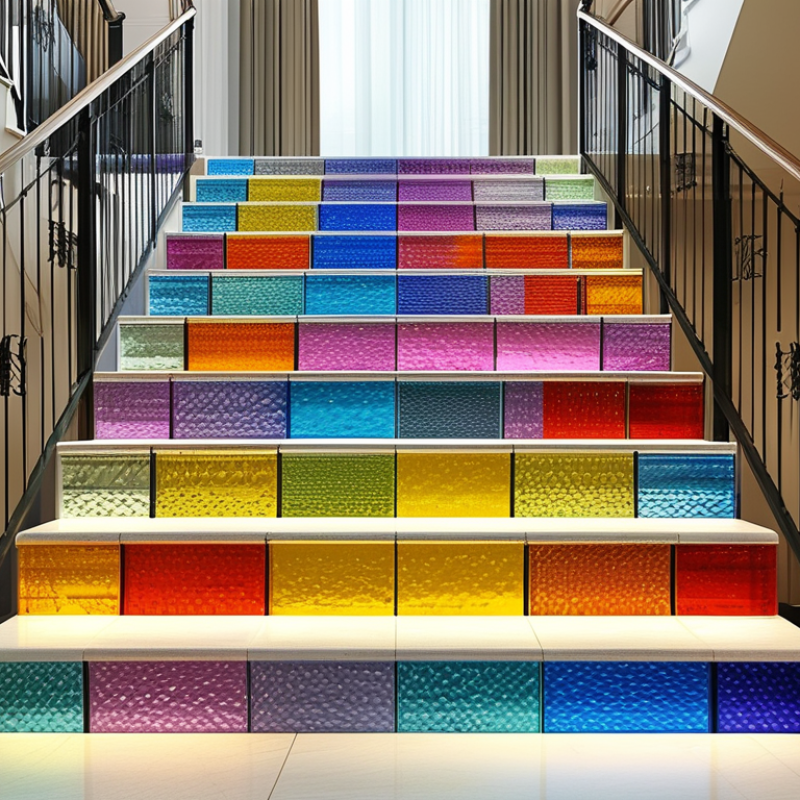
Vinyl nosing plays a pivotal role in stair safety and aesthetics. According to industry reports, stair accidents account for a significant percentage of falls, emphasizing the need for proper safety measures. Vinyl nosing provides a slip-resistant surface, reducing the chance of slips and falls. Its bright colors can also enhance visibility, making stairs easier to navigate.
Tip: Choose nosing with contrasting colors to improve visibility. This simple addition can make a big difference, especially in low-light areas.
When selecting vinyl nosing, consider durability. High-quality vinyl can withstand heavy foot traffic. Reports indicate that stairs with robust nosing have lower injury rates. If you opt for cheaper options, they may wear down quickly, leading to potential hazards. Regular inspections can help ensure that the nosing remains safe and effective over time.
Tip: Regularly check the condition of your stair nosing. Replace any worn or damaged pieces promptly to maintain safety standards.
Incorporating vinyl nosing not only enhances safety but also adds a stylish touch to any staircase. With countless designs available, you can achieve a pleasing aesthetic while fulfilling a crucial safety function.
Evaluating Safety Features in Vinyl Nosing Options
Choosing vinyl nosing for stairs involves careful consideration of safety features. Slip resistance is crucial; the surface should provide excellent grip, especially in high-traffic areas.
Look for options with textured surfaces or products specifically designed to reduce slipping. Testing these surfaces in your home can help you make a better choice.
Tip: Always check the coefficient of friction ratings. Higher ratings indicate better slip resistance. When looking at different styles, notice how they blend with your existing decor. This balance between safety and aesthetics can be challenging but essential.
Consider the edge profile of the nosing for wear resistance. A rounded edge can save you from sharp impacts. Vinyl nosing should also be durable, resisting scratches and stains over time. This not only promotes safety but enhances the overall look of your stairs.
Tip: Ensure the installation is precise. Gaps can create tripping hazards. If you're uncertain about the fit, consulting a professional can make a difference. Regularly inspect the nosing for wear and tear. This proactive approach can prevent accidents down the line.
Choosing the Right Style and Design for Your Home Decor
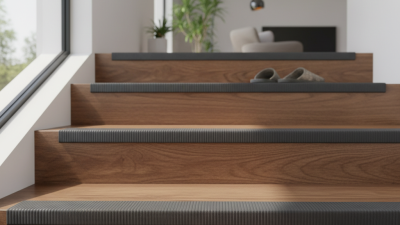
Choosing the right vinyl nosing for your stairs not only enhances safety but also complements your home decor. The style of your stair nosing can impact the overall look of your space. Consider the color and texture. A glossy finish can add a modern feel, while a matte finish may create a more subdued ambiance.
Tips: Match your nosing color to your stair treads. This creates a seamless transition and highlights your staircase. Choose textures that complement other surfaces in your home. For example, if your floors feature a natural wood grain, opt for a nosing that mimics this texture.
When picking designs, think about your home’s aesthetic. A minimalist home may benefit from sleek, simple designs. Conversely, a more traditional home can feature ornate profiles. Test samples in your space. Light can affect how colors appear. You might find that a color looks different under your home lighting.
Remember to prioritize practicality alongside design. Vinyl nosing should not just look good; it must also provide grip. Slips can happen even with the most stylish finishes. Take time to examine various options. Make sure they align with both safety and style.
How to Choose Vinyl Nosing for Stairs for Safety and Style?
| Aspect |
Description |
| Material |
Durable vinyl that withstands wear and tear. |
| Color Options |
Various colors to match home decor. |
| Texture |
Smooth or textured surfaces for better grip. |
| Height |
Available in various heights for step visibility. |
| Installation |
Easy to install with adhesive or screws. |
| Safety Features |
Slip-resistant surfaces to enhance safety. |
| Maintenance |
Low maintenance; easy to clean and maintain. |
Considering Material Durability and Maintenance Needs
Choosing the right vinyl nosing for stairs is essential for safety and aesthetics. When considering material durability, it’s crucial to understand how different compositions perform under everyday wear and tear. According to a report by the ASTM International, vinyl materials can resist impact and abrasion effectively, making them a suitable choice for high-traffic areas, like staircases. However, not all vinyls are created equal. Some may fade or become brittle over time, particularly if exposed to harsh sunlight.
Maintenance needs also play a significant role in the decision. A survey from the National Flooring Contractors Association revealed that around 70% of homeowners prefer flooring options that require minimal upkeep. Vinyl nosing can be easily cleaned with standard cleaners, yet some composite materials require special attention to prevent discoloration. It’s important to know that while vinyl is water-resistant, any prolonged exposure to moisture might lead to mold and degradation, indicating the necessity for a well-sealed finish.
Design also impacts material selection. Aesthetics should match the overall style of your home. Textured finishes often provide more grip, enhancing safety, but these surfaces may collect dirt more easily and require regular cleaning. It’s a balance of looking good and performing well. Making an informed choice involves tapping into both functional and design elements.
Installation Tips for Optimal Performance of Vinyl Nosing
When installing vinyl nosing on stairs, precision is key. Begin by measuring the depth and width of your steps accurately. Having the right dimensions ensures a snug fit, which is essential for safety. Cut the vinyl nosing to size, using a saw or a utility knife. Be careful with your cuts; jagged edges can create trip hazards.
Before applying adhesive, clean the surface well. Any dust or debris can undermine the bond between the nosing and the stairs. Apply a strong, appropriate adhesive evenly across the stair edge. Press the nosing firmly in place and hold it for several seconds. This manual pressure helps establish a good bond right from the start.
Allow the adhesive to cure fully before use. It's tempting to rush this process, but patience pays off. Inspect the nosing after installation for gaps or misalignment. Any imperfections can lead to expensive fixes in the future. Regular maintenance checks can help identify wear over time. Be proactive about safety. A smooth and well-installed vinyl nosing enhances both safety and style.