How to Choose the Best Glued Down Vinyl Flooring for Your Home?
Choosing the right flooring for your home can be overwhelming. Among the options, Glued Down Vinyl Flooring stands out for its durability and versatility. Renowned flooring expert, John Smith, states, "Selecting the right flooring can transform the ambiance of any space." His insights highlight the importance of making an informed choice.
When considering Glued Down Vinyl Flooring, think about your lifestyle and aesthetic preferences. This type of flooring can handle high foot traffic, making it ideal for busy homes. With a variety of colors and patterns available, it offers flexibility to match your decor. However, not all products are created equal. Some cheaper options might not provide the longevity you expect.
Explore reputable brands known for quality. Reading customer reviews can help identify reliable products. Investing time in research can lead to a flooring solution that stands the test of time. Remember, a rushed decision may lead to regrets later. Thoughtful selections will ensure you enjoy your Glued Down Vinyl Flooring for years to come.
Understanding Your Space: Assessing Room Characteristics for Vinyl Flooring
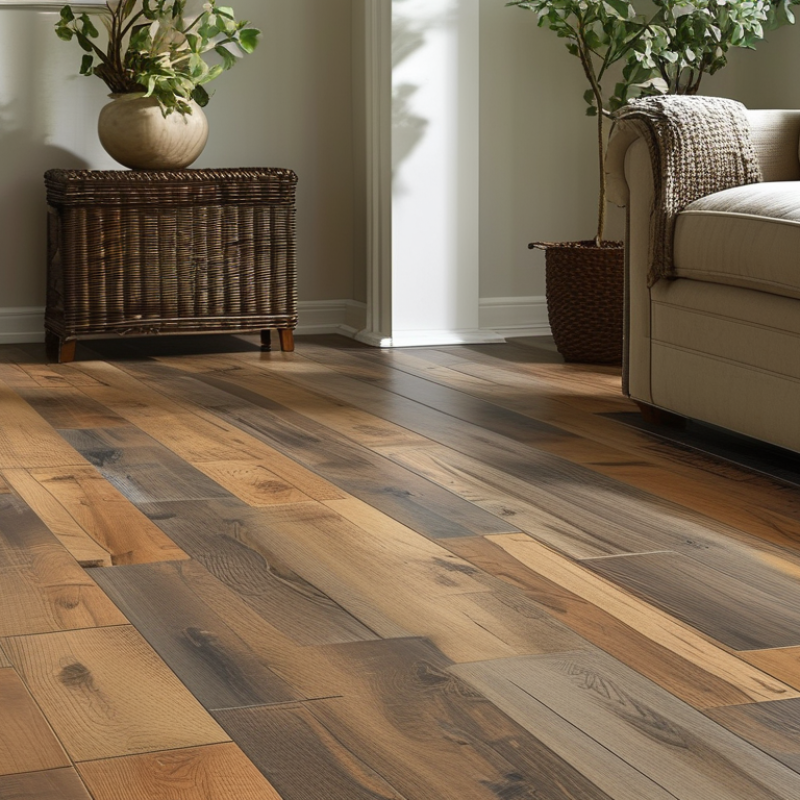
When selecting glued down vinyl flooring, evaluating your space is crucial. Start by assessing the size and shape of your rooms. Smaller rooms may benefit from lighter colors, making them feel more spacious. Darker shades can create a cozy atmosphere in larger areas. Consider the room layout, too. An open floor plan can connect styles, while distinct spaces may require coordination for a cohesive look.
Next, think about the room's function. High-traffic areas like hallways and kitchens need durable flooring. A thicker vinyl with a strong wear layer provides lasting strength. On the other hand, quieter spaces like bedrooms may allow for softer, more luxurious options. Reflect on potential moisture exposure in areas like bathrooms or basements. Choosing the right vinyl can prevent warping or mildew issues.
Natural light also plays a vital role in your flooring selection. Rooms with abundant sunlight may require fade-resistant products. In dimly lit areas, glossy finishes can help reflect light and make the space feel brighter. Pay close attention to your existing decor and furniture. The right choice of vinyl should complement these elements, enhancing your home's overall design.
Choosing the Best Glued Down Vinyl Flooring: Room Characteristics
Evaluating Durability: Choosing the Right Wear Layer for Longevity
When selecting glued down vinyl flooring, durability should be a top priority. One key factor in durability is the wear layer. This layer protects against scratches, dents, and stains. A thicker wear layer generally means better performance. Typical thicknesses range from 4 mil to 30 mil. For high-traffic areas, a 20 mil layer is advisable. However, consider your budget and specific needs carefully.
Different wear layers perform better in different environments. For residential use, a 12 mil layer might suffice. In contrast, commercial spaces require at least 20 mil. Each environment presents unique challenges. Harsh weather, humidity, and heavy foot traffic should be factors in your decision. It’s essential to pay attention to the manufacturer's specifications and any warranties provided.
Not all wear layers are created equal. Some may offer better resistance to fading or staining. Others might be prone to showing scratches over time. Assess each option critically. Understand that the right choice depends on where the flooring will be installed. Real-life use may differ from marketing claims. Take time to research and read reviews. This will help in making an informed decision for your home.
Texture and Aesthetics: Finding the Perfect Style and Appearance
Choosing the right glued down vinyl flooring involves a careful balance of texture and aesthetics. Textures vary significantly. Some options mimic natural materials like wood or stone, offering a sophisticated look. Others have smoother finishes, ideal for modern spaces. According to industry reports, over 70% of homeowners consider aesthetics a key factor when selecting flooring. This is crucial in creating a welcoming atmosphere in any room.
When evaluating styles, consider color palettes that complement your home. Light colors can make spaces feel larger, while dark tones add warmth. Patterns also play a vital role; geometric designs provide a contemporary flair, while traditional styles can evoke a sense of history. Furthermore, a recent survey revealed that about 56% of consumers prefer vinyl flooring that is both stylish and easy to maintain. This reflects the growing desire for practical yet beautiful home solutions.
Despite these preferences, not all options align with individual tastes. Some people may find a glossy finish too reflective, while others might struggle with the maintenance of textured surfaces. It's essential to reflect on personal needs. Assess how different textures affect the overall ambiance of your home. Carefully weighing these considerations will help you select the perfect flooring that meets both practical and aesthetic demands.
Installation Process: Key Considerations for Glued Down Vinyl Flooring
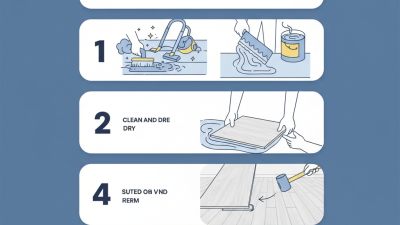
When considering glued down vinyl flooring, the installation process is crucial. Begin by ensuring that your subfloor is clean and dry. Most manufacturers recommend a moisture barrier for wooden subfloors to prevent mold and warping. According to a report by the Resilient Floor Covering Institute, proper preparation can significantly affect the longevity of your flooring. A well-prepared surface enhances adhesion, reducing the likelihood of bubbling or peeling over time.
Before installing, measure your space carefully. Accurate measurements can prevent costly mistakes. It's advisable to purchase extra material to account for waste and miscalculations. Many professionals suggest acclimating the flooring in your home for at least 48 hours. This helps the vinyl adjust to the room's temperature and humidity, mitigating potential expansion or contraction post-installation.
Pay attention to your adhesive choice. Not all adhesives are suitable for every type of vinyl. Consult product data sheets for compatibility information. Consider using a pressure-sensitive adhesive for easier removal in the future. Messy application can lead to uneven surfaces, which can be unsightly. Strive for consistency in your application to ensure a smooth finish.
How to Choose the Best Glued Down Vinyl Flooring for Your Home? - Installation Process: Key Considerations for Glued Down Vinyl Flooring
| Consideration |
Details |
| Floor Type |
Choose between luxury vinyl tile (LVT) or vinyl sheet based on your design preferences. |
| Durability |
Consider thickness and wear layer; thicker options are often more durable. |
| Subfloor Preparation |
Ensure the subfloor is clean, dry, and level to avoid installation issues. |
| Acclimation |
Allow the vinyl to acclimate in the room temperature for 48 hours before installation. |
| Adhesive |
Select the appropriate adhesive based on the type of vinyl flooring and room conditions. |
| Installation Method |
Follow the manufacturer's instructions for the best results in glued down installation. |
| Maintenance |
Regular cleaning and avoiding harsh chemicals will prolong the life of the flooring. |
Maintenance Essentials: Caring for Your Vinyl Flooring After Installation
Maintaining glued down vinyl flooring is essential to its longevity and appearance. Proper care starts with regular cleaning. Industry reports indicate that floor maintenance can extend its lifespan by up to 25%. Daily sweeping or vacuuming removes dust and debris that can scratch the surface. Mopping with a mild cleaner once a week will help preserve its shine. However, using excessive water can lead to issues. Striking a balance is key.
Another important aspect is addressing spills immediately. Vinyl is typically resistant to stains, but liquid left too long can impact its integrity. Always blot spills with a soft cloth and avoid scrub brushes that can damage the surface. According to cleaning professionals, 70% of vinyl flooring issues stem from improper care. Additionally, using mats in high-traffic areas can significantly reduce wear and tear.
Temperature fluctuations can also affect vinyl flooring. It's advisable to maintain a consistent indoor climate. High humidity can lead to expansion, while extreme dryness may cause contraction. Reports show that 30% of vinyl flooring installations encounter problems due to environmental factors. Regular inspections for wear, scratches, or discoloration can help identify issues early. Being proactive ensures your flooring remains visually appealing and functional for years to come.