Discover the Best Homogeneous Vinyl Floor Options in China?
The world of flooring is rapidly evolving, particularly in the realm of Homogeneous Vinyl Floor options. As demand grows, China has become a focal point for manufacturers and suppliers. According to a recent industry report, the global market for vinyl flooring is expected to reach $9 billion by 2026, highlighting significant growth potential. Experts like Dr. Alice Wong, a leading authority in flooring technology, emphasize, “The durability and versatility of Homogeneous Vinyl Floors make them a top choice in modern architecture.”
Yet, despite their popularity, choosing the right product can be daunting. Factors such as material quality, installation method, and environmental impact play crucial roles. This is where platforms like the Canton Fair come into play. With features like AI smart search and precise navigation, buyers can efficiently locate certified suppliers. However, not all suppliers meet high standards, and due diligence is essential.
While manufacturers strive to innovate, some still rely on outdated practices. Increased competition means that only those who adapt will survive. The Homogeneous Vinyl Floor market presents numerous opportunities, but careful consideration is necessary to ensure the best choices are made.

Understanding Homogeneous Vinyl Flooring: A Comprehensive Guide
Homogeneous vinyl flooring is gaining popularity for its durability and aesthetic appeal. This flooring type is made from a single layer of vinyl, ensuring consistent design and texture throughout. With a variety of colors and patterns, it can enhance the look of any space. It's a practical choice for both residential and commercial areas.
When selecting homogeneous vinyl flooring, consider the thickness. Thicker options tend to be more durable. Pay attention to the wear layer as well. A thicker wear layer increases longevity and resistance to scratches. It’s also essential to check the slip resistance. This detail is critical for safety, especially in high-traffic areas.
**Tips:** Clean your floors regularly to maintain their appearance. Avoid harsh chemicals; they can damage the surface. If you’re unsure about installation, consult a professional. It might be tempting to DIY, but improper installation can lead to complications later. Always test a small area before full installation. Some flaws, like uneven surfaces, can be hard to fix. Taking your time can save headaches down the road.
Best Homogeneous Vinyl Floor Options in China
Key Benefits of Choosing Homogeneous Vinyl Floors for Your Space
Homogeneous vinyl floors are gaining popularity due to their numerous advantages. These floors are made from a single layer of vinyl, ensuring uniformity in design and color. This consistency provides a cohesive look in any space. The ease of maintenance is another key benefit. A simple sweep and occasional mopping keep them looking fresh. No complex cleaning procedures are needed.
Additionally, these floors are highly durable. They can withstand heavy foot traffic, making them ideal for commercial settings. Their resistance to wear means fewer replacements. However, it’s essential to remember that while they are durable, improper installation can lead to issues. Uneven surfaces may cause the vinyl to warp over time.
Another aspect to consider is the comfort underfoot. Many find homogeneous vinyl floors more comfortable than tile or laminate. This comfort can enhance the overall atmosphere of a room. However, personal preferences vary, so it’s worth exploring different options before deciding. Overall, these floors provide a practical yet stylish solution for various spaces.
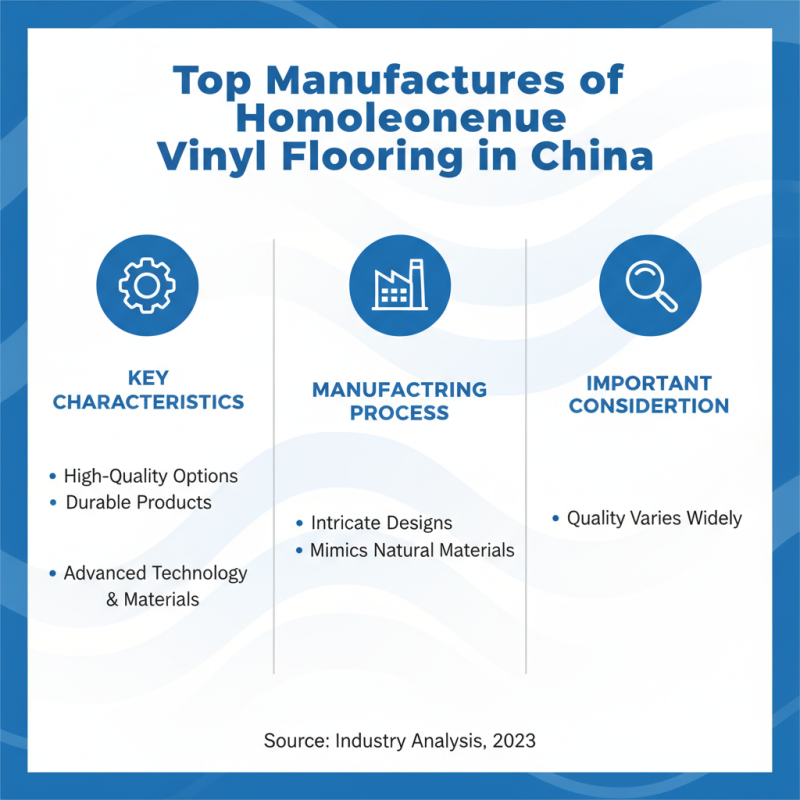
Top Manufacturers of Homogeneous Vinyl Flooring in China
When exploring homogeneous vinyl flooring in China, it's essential to know about the top manufacturers in the industry. Many factories focus on producing high-quality flooring options. They utilize advanced technology and materials to create durable products. The manufacturing process often involves intricate designs and textures that mimic natural materials. However, quality can vary widely between different producers.
Some manufacturers prioritize aesthetics over functionality. This can lead to flooring that looks great but wears out quickly. Consider reviews and customer feedback before making any decisions. It's also important to evaluate certifications. Some companies do not meet international standards, resulting in poorer quality. You might find unique designs and colors in lesser-known brands, but beware of inconsistent quality.
In this growing market, innovation is key. New manufacturers may emerge with fresh ideas and approaches. Yet, established companies often have a proven track record. Balancing cost, quality, and design is a challenge. Choosing the right flooring doesn't have to be overwhelming, but research and consideration are necessary.
Comparative Analysis: Homogeneous Vinyl vs. Other Flooring Options
When comparing homogeneous vinyl flooring with other options, several factors come into play. Homogeneous vinyl is known for its durability. It can withstand heavy foot traffic, making it ideal for commercial spaces. Its solid construction helps resist wear and tear. Many users appreciate its minimal maintenance needs. However, some find it less stylish than laminate or hardwood options. The design choices can be limited.
In contrast, laminate offers a wide variety of finishes. Homeowners often choose it for aesthetic appeal. Yet, it may not hold up as well under pressure. Hardwood flooring, while beautiful, requires more upkeep. It can warp in humid conditions. Both of these materials often lack the same impact resistance. Vinyl’s flexibility can make for easier installation too. But not everyone loves its look.
Some may find homogeneous vinyl visually unappealing. Style is subjective, and trends matter. Anyone considering flooring should weigh these aspects carefully. Comfort, appearance, and resilience should all factor into the decision-making process. Each flooring type has its pros and cons, saying much about user preferences.
Installation and Maintenance Tips for Homogeneous Vinyl Floors
Installing homogeneous vinyl floors
can be a rewarding yet complex task. Proper preparation is essential.
Begin by ensuring that the subfloor is smooth and clean.
Any dust or debris can cause unevenness. Additionally, collect necessary tools beforehand.
A sharp utility knife, straightedge, and measuring tape are crucial for accuracy.
When laying down your vinyl, always plan for expansion.
It's vital to leave a small gap at the edges. This allows the flooring to expand and contract with temperature changes.
Don’t rush this step, as mistakes can lead to costly repairs later.
Maintenance is just as important. Regular cleaning with a damp mop helps keep the surface looking new.
However, avoid harsh chemicals. They can damage the gloss and integrity of the material.
Routine inspections for scratches or wear are also advisable.
Spotting issues early can save you time and effort down the line.