Top Benefits of Using Plastic PVC Carpet in Interior Design?
In recent years, Plastic PVC Carpet has gained popularity in interior design. This innovative material offers numerous advantages that enhance both aesthetics and functionality. Designers and homeowners alike appreciate its versatility and durability. Plastic PVC Carpet is not only visually appealing but also practical for various environments.
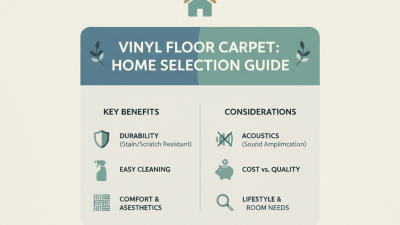
One of the standout features of Plastic PVC Carpet is its resistance to stains and moisture. This makes it ideal for high-traffic areas, such as living rooms and offices. Additionally, the carpet is available in a wide range of colors and textures, allowing for endless design possibilities. You can easily match it with existing décor or create a bold statement in any space.
However, there are considerations to keep in mind. While Plastic PVC Carpet is durable, it may not provide the same warmth as traditional materials. Users should weigh these factors against their design goals. Each project is unique, and the decision to use Plastic PVC Carpet should reflect the specific needs and lifestyle of the space. Choosing the right flooring is essential for creating a functional and beautiful environment.
Advantages of Plastic PVC Carpet in Interior Design
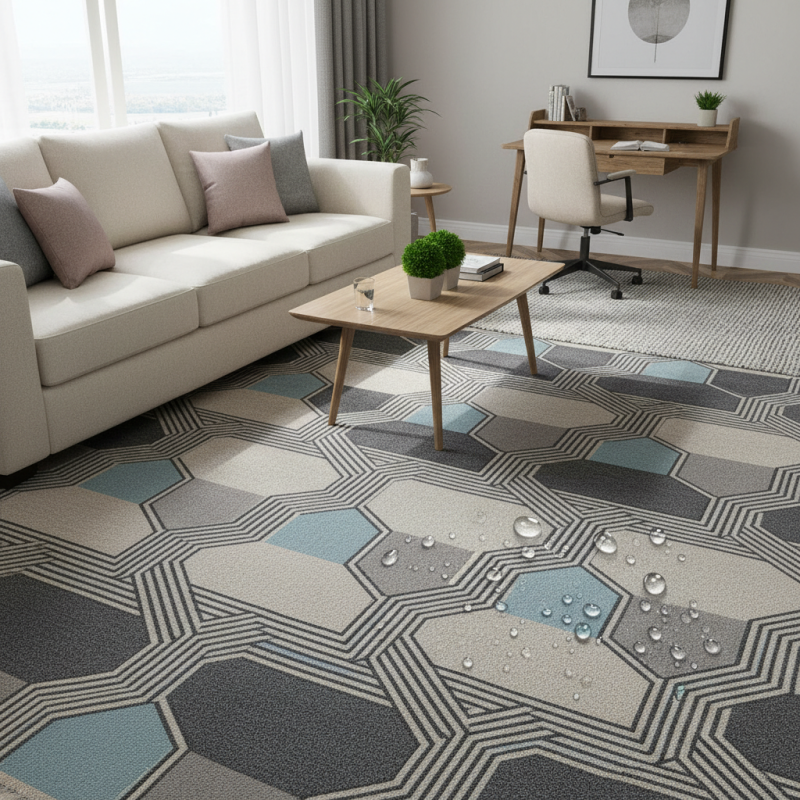
Plastic PVC carpet has become a popular choice in interior design due to its numerous advantages. One key benefit is its durability. Unlike traditional carpets, PVC carpets resist stains, spills, and heavy foot traffic. This makes them ideal for homes with children or pets. Their water-resistant surface also makes cleaning effortless. You simply wipe away messes without worry.
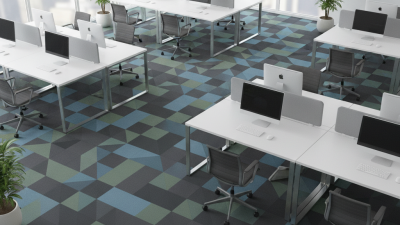
Another important factor is versatility. PVC carpets come in various colors, patterns, and textures. This allows designers to easily match them with different themes and styles. Whether you want a modern look or a more traditional ambiance, there’s a PVC option that fits. Additionally, some PVC carpets are designed to mimic natural materials, providing aesthetic appeal without the maintenance.
However, it's worth noting that not all PVC carpets are environmentally friendly. Some may contain harmful chemicals. Conducting thorough research before purchase is crucial. Selecting eco-friendly versions can reduce the negative impact on health and the environment. Ensure you look for certifications that indicate safer materials.
Durability and Longevity of PVC Carpet in High-Traffic Areas
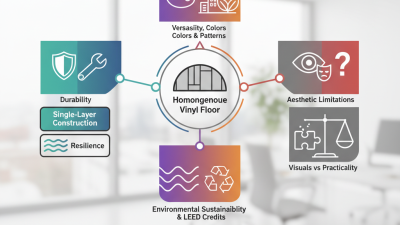
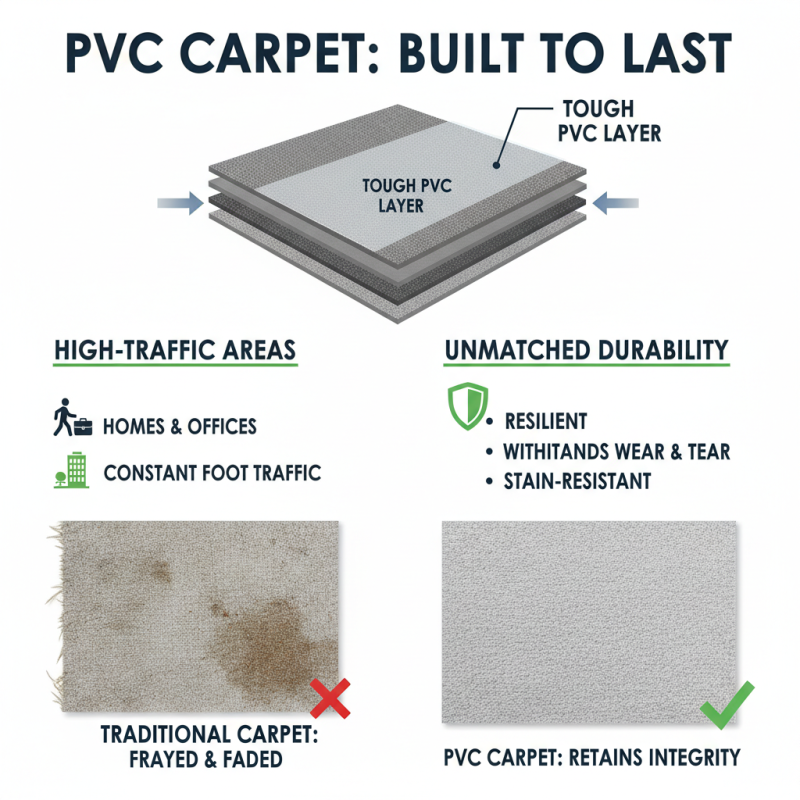
PVC carpets offer remarkable durability, making them ideal for high-traffic areas. In homes or offices where foot traffic is constant, resilience is key. The tough layer of PVC can withstand significant wear and tear. Unlike traditional carpets, which can become threadbare and stained, PVC carpets maintain their integrity even under pressure.
Cleaning these carpets is another advantage. Spills or dirt can be wiped off with ease. They resist moisture, preventing mold and mildew. For families with pets or kids, this feature is invaluable. However, one must ensure proper cleaning techniques to avoid damage.
Though PVC carpets are durable, they may require occasional inspection. Ensuring no corners are peeling or lifting can help prolong their life. It's essential to consider these factors, especially in intensely used spaces. The responsibility of maintenance falls on the owner, which can be a drawback for some. Yet, with appropriate care, the longevity of PVC carpets becomes a true asset for any interior design.
Aesthetic Versatility: Color and Design Options for Any Space
Plastic PVC carpets offer incredible aesthetic versatility, making them a favored choice in modern interior design. With a wide array of colors and intricate design patterns, these carpets can transform any space. In recent years, the market for PVC carpets has seen exponential growth. A report by Allied Market Research reveals that the global vinyl flooring market is expected to reach $18 billion by 2027. This trend highlights the increasing preference for versatile materials.
One key advantage of PVC carpets lies in their ability to mimic other materials. They can resemble hardwood, tile, or stone surfaces while maintaining a softer feel underfoot. This versatility allows homeowners and designers to express their creativity freely. Surveys have shown that 70% of interior designers agree that the right flooring can significantly enhance a room's overall aesthetic.
Despite their benefits, there are considerations to keep in mind. Some PVC carpets may lack the durability of natural materials in high-traffic areas. Installation can be tricky, requiring proper preparation of the subfloor to avoid damage. Additionally, while many designs are visually appealing, they may not suit every interior style. Careful selection is essential for achieving the intended look and feel in a space.
Hygienic Properties: Resistance to Molds and Allergens
When it comes to interior design, hygiene is a top priority. Plastic PVC carpet stands out for its hygienic properties. It resists molds and allergens, making it an excellent choice for homes and commercial spaces. A report from the World Health Organization indicates that indoor air quality can significantly affect health. By reducing allergens, PVC carpets contribute to a cleaner indoor environment.
Moreover, PVC carpets are easy to clean and maintain. Regular vacuuming and occasional mopping keep them looking fresh and free from contaminants. The flooring material is non-porous, which means spills won't seep in, further minimizing mold growth. According to a study by the Environmental Protection Agency, maintaining clean and dry floors can reduce allergen levels by up to 90%. This statistic highlights the importance of choosing flooring that enhances hygiene.
However, it's essential to acknowledge some concerns. Not all PVC products are created equal. The quality of materials can vary widely. Some may contain harmful additives that counteract the benefits of the material. It’s crucial for consumers to seek certifications ensuring safety and environmental compliance. In this way, homeowners can enjoy the benefits of PVC carpets without compromising on health standards.
Top Benefits of Using Plastic PVC Carpet in Interior Design
This bar chart illustrates the various hygienic properties and benefits of using Plastic PVC Carpet in interior design, highlighting its resistance to molds and allergens, as well as other beneficial characteristics such as durability, easy maintenance, and water resistance.
Environmental Considerations: Sustainability of PVC Carpets
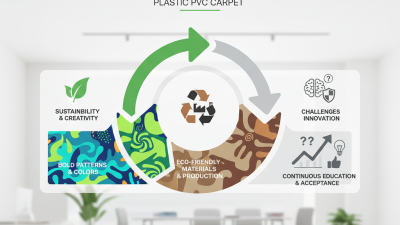
PVC carpets are gaining traction in interior design, especially concerning sustainability. While vinyl materials often face scrutiny, advancements in recycling technologies are changing the narrative. According to a report by the European Plastic Converters, over 50% of PVC can be recycled, making it a renewable option for flooring.
However, it’s essential to critically evaluate the sustainability aspect. The production of PVC can lead to emissions and waste. On a positive note, many manufacturers are transitioning towards a closed-loop system, minimizing environmental impact. This shift is supported by data from the Vinyl Sustainability Council, highlighting a 35% reduction in greenhouse gas emissions from PVC production in recent years.
Tip: When selecting PVC carpets, look for products that emphasize eco-friendliness and low VOC emissions. Moreover, integrating these carpets can reduce the need for flooring replacement, thus lowering waste over time. Keep in mind, regular maintenance can prolong your carpet's lifespan and sustainability.
While PVC carpets offer unmatched durability and versatility, attention to their environmental footprint is necessary. The potential for recyclability is a double-edged sword. As designers, we must remain aware of the entire lifecycle of materials we use, ensuring our choices reflect a commitment to sustainability.
Top Benefits of Using Plastic PVC Carpet in Interior Design - Environmental Considerations: Sustainability of PVC Carpets
| Benefit |
Description |
Environmental Impact |
Durability |
| Sustainability |
PVC carpets can be manufactured with recycled materials and are recyclable themselves. |
Lower carbon footprint during production when using recycled PVC. |
High resistance to wear and tear, extending the lifespan of the product. |
| Cost-effectiveness |
Generally more affordable compared to traditional carpet materials. |
Affordable options encourage sustainability by making eco-friendly choices accessible. |
Long-lasting, which reduces the need for frequent replacements. |
| Water Resistance |
PVC carpets resist moisture, making them suitable for various environments. |
Maintains hygiene by minimizing water retention and mold growth. |
Durable in damp conditions, reducing damage over time. |
| Variety of Designs |
Available in numerous colors and patterns, allowing for creative expression in design. |
Encourages the use of modern designs that promote aesthetic appeal without compromising sustainability. |
Maintains aesthetic appeal for a longer duration due to its durable finish. |
| Ease of Maintenance |
Easy to clean and maintain, requiring only simple routine cleaning. |
Less frequent use of harsh chemicals for cleaning, reducing environmental impact. |
Maintains quality with minimal upkeep, prolonging usability. |