2026 Best Lifeproof Flooring Vinyl for Global Buyers?
For global buyers, choosing the best Lifeproof Flooring Vinyl in 2026 requires more than comparing colors and online prices. Regional climate, subfloor condition, installation skill, and after-sales support can change the result dramatically. A plank that performs well in a dry apartment may struggle in a humid coastal home. Details matter.
Flooring educator Brett Miller has stated, “The floor is only as good as the subfloor beneath it.” This principle remains highly relevant when evaluating Lifeproof Flooring Vinyl. Buyers should check moisture levels, surface flatness, expansion gaps, and room temperature before installation. Concrete floors may require moisture testing. Older homes may need careful leveling. Small preparation errors can create visible movement, clicking sounds, or separated seams.
This guide examines wear layers, waterproof claims, locking systems, underlayment, maintenance, and warranty limitations. It also considers shipping conditions, local installer experience, and replacement-plank availability. These factors often matter more than a showroom sample. Not every room needs the same specification. Kitchens, rental apartments, offices, and busy family spaces face different demands.
The selection process is not perfectly simple. Product information can vary by market, and retail packaging may change. Some buyers may also misunderstand “waterproof” as protection against every installation problem. That assumption deserves reflection. A strong purchase decision combines verified specifications with realistic room conditions. The following outline helps global buyers compare Lifeproof Flooring Vinyl with greater confidence, fewer surprises, and a clearer understanding of long-term value.
What Is Lifeproof Vinyl Flooring and How Is It Designed?
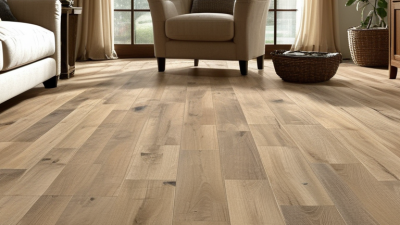
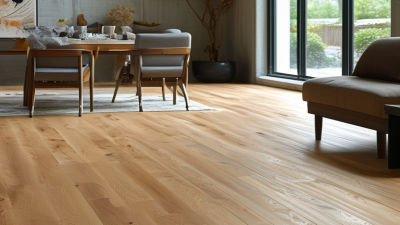
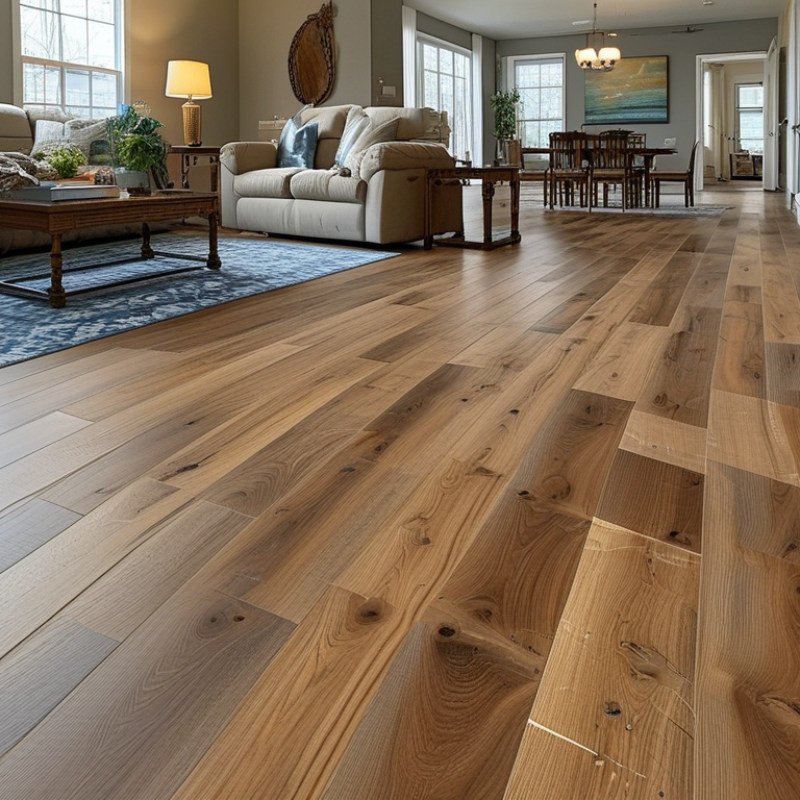
Lifeproof vinyl flooring generally refers to resilient vinyl designed for busy homes, rentals, and commercial interiors. It usually combines a printed visual layer, a protective wear layer, and a waterproof rigid or flexible core. The surface may imitate oak, stone, or concrete with embossed grain for a more convincing touch. Beneath it, a stable backing helps reduce movement over prepared subfloors. It feels warmer and quieter than ceramic tile, but it is not indestructible.
Design decisions matter. Thick wear layers can improve resistance to scuffs, chair movement, and frequent cleaning. Click-lock edges can speed installation, while flexible sheets may reduce seams in larger rooms. However, “waterproof” usually describes the plank itself, not the entire floor system. Moisture can still enter through unsealed edges or poorly prepared concrete. I have seen attractive installations fail because installers ignored floor flatness. That lesson deserves attention. Global buyers should also check slip ratings, fire documentation, emissions testing, and local installation requirements before ordering.
Tips: Request a sample. Place it near a window and under warm lighting. Check color variation, surface texture, edge fit, and odor for several days. Confirm carton coverage, replacement availability, and compatible underlayment. Leave expansion gaps where required. A professional moisture test is wise for concrete floors. Wax is usually unnecessary and may create a slippery film. Expectation must stay realistic: durable flooring still needs felt pads, prompt spill removal, and careful furniture handling.
2026 Best Lifeproof Flooring Vinyl for Global Buyers?
What Is Lifeproof Vinyl Flooring and How Is It Designed?
Vinyl flooring is commonly engineered as a multi-layer system: a protective surface coating, a wear layer, a printed décor film, a resilient or rigid core, and an optional backing layer. The chart shows representative thickness values used in common residential vinyl flooring constructions, not data from any specific company or brand. Buyers should verify wear-layer thickness, total plank thickness, core composition, fire classification, and installation requirements for each product.
How to Compare Durability, Waterproofing, and Surface Performance?
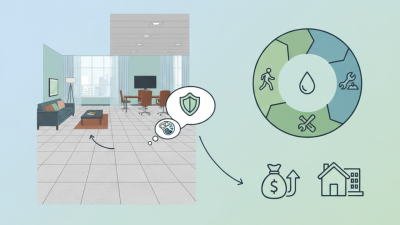
For global buyers, vinyl flooring should be compared through test evidence, not attractive photographs. ISO 10874:2009 classifies resilient floors from residential classes 21–23 to commercial classes 31–34. A busy hotel corridor needs more than a residential rating. Check the wear layer, coating type, and published abrasion results. Thicker is not always better.
Waterproofing also depends on installation. ASTM F3261-23 addresses rigid polymeric core flooring, but the floor itself cannot protect poorly sealed joints. Ask for water-resistance testing, dimensional-change data, and clear warranty conditions. Pay attention to bathroom thresholds, expansion gaps, and uneven subfloors. A flooded room exposes weak locking systems quickly. It is a practical test, though rarely planned.
Surface performance needs separate evidence. ASTM F970 measures residual indentation after loading, while ASTM F925 evaluates chemical resistance. These tests matter under rolling office chairs, rubber mats, and kitchen spills. ISO 10582:2018 also provides specifications for heterogeneous PVC flooring. Still, laboratory results can feel too clean. Real homes bring sand, sunlight, pets, and careless furniture movement. I would request test reports from an accredited laboratory, confirm testing units, and compare results under the same method. Some product sheets hide the test duration. That is a warning sign.
What Installation Methods and Subfloor Conditions Are Required?
For global buyers, “lifeproof” vinyl flooring is only as reliable as its installation. Click-lock planks suit clean, level rooms and faster projects. Glue-down vinyl works better around commercial traffic, complex layouts, and rolling loads. Loose-lay formats can simplify replacement, but movement may appear on uneven floors.
Concrete must be dry, sound, smooth, and free from curing compounds, oil, and dust. ASTM F710 recommends testing concrete before resilient flooring installation. ASTM F2170 measures internal relative humidity, while ASTM F1869 measures moisture vapor emission. Limits vary by flooring and adhesive, so the product’s technical sheet matters. Many installers target about 75% relative humidity or lower, but that is not universal. A practical flatness benchmark is 3/16 inch over 10 feet, or roughly 4.8 millimeters over 3 meters. Wood subfloors need firm joists, secure panels, and no visible swelling. Uneven tile grout lines may telegraph through thin vinyl.
Tips: Acclimate planks indoors for at least 48 hours when the instructions require it. Keep the room near its normal living temperature. Check moisture again after major rain or heating changes. Grand View Research’s 2024 resilient flooring analysis projects approximately 6.2% market growth through 2030, increasing installation pressure worldwide. That growth should not encourage shortcuts. I would not call any vinyl product waterproof in every building. Flooding, vapor pressure, and poor preparation still defeat good materials. In my view, subfloor testing deserves more attention than plank appearance.
How Can Global Buyers Evaluate Costs, Availability, and Warranty Terms?
Global buyers evaluating premium waterproof vinyl flooring should compare the complete landed cost, not only the quoted price. Include product cost, freight, insurance, import duties, local taxes, and installation materials. A low factory price can become expensive after customs clearance. Request a written quotation with currency, delivery terms, carton coverage, and minimum order quantity. Check plank thickness, wear-layer protection, underlayment requirements, and expected waste. Add 5–10% for cuts and future repairs.
Availability needs careful verification. Ask suppliers to confirm current stock, production lead times, container capacity, and replacement-plank access. Regional warehouses may reduce delays, but storage conditions matter. Heat, moisture, and poor stacking can damage cartons before installation. Require recent photographs, batch numbers, technical data sheets, and independent test reports. Certifications should match the destination market. A product suitable for one climate may perform differently in a humid coastal home. This part is often underestimated.
Tips:
Read the warranty before ordering. Check coverage length, residential or commercial limits, moisture exclusions, fading conditions, and approved installation methods. Confirm whether labor, transport, or removal costs are excluded. Ask who handles claims in your country and how quickly responses are provided. Keep invoices, photographs, batch labels, and installation records. Many warranties depend on these details. I would also order a sample first. Colors can look surprisingly different under local lighting, and online images are not perfect. A careful buyer still needs to question attractive promises.